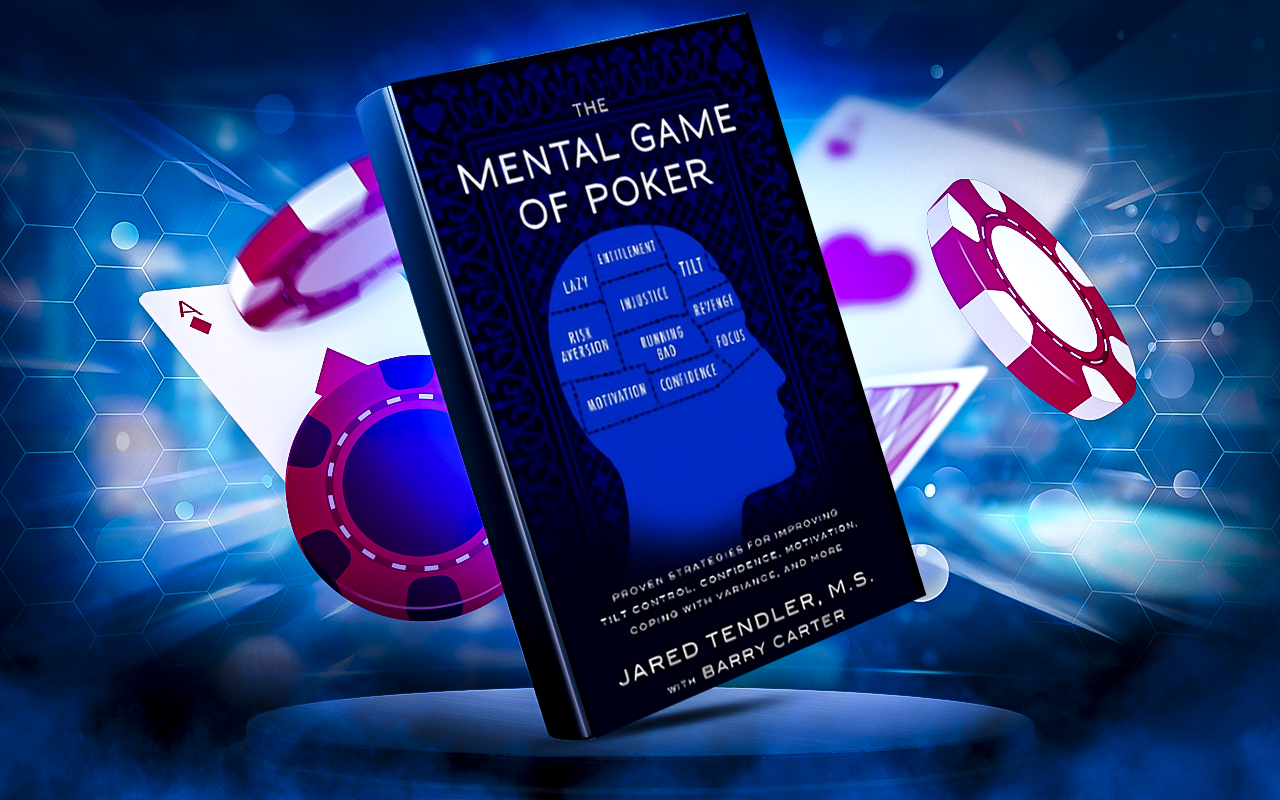

In poker, confidence is not just a feeling, but a strategic state that affects every decision you make at the table. Chapter 8 of Jared Tendler’s book ‘Mind Games’ is about the importance of confidence and how to maintain it throughout the game. Let’s look at why confidence is so important and how to develop it.

What is Confidence in Poker?

Many players confuse confidence with self-belief or a temporary state of mind that depends on good cards. But real confidence is a deep understanding of your game, strengths and weaknesses, backed up by experience and knowledge. It doesn’t disappear when you lose and it doesn’t skyrocket when you win. It is a constant value that can and should be developed.

Confidence is knowing that you can make informed decisions, even if the outcome is not always in your favour.

Why is Confidence So Important? 🤔

  1. Less Stress: A confident player does not worry about temporary setbacks. He knows that any losing streak is part of the game and will not let emotions take over.
  2. Better Decisions: When you are confident in your abilities, you avoid making decisions based on fear or doubt. You follow your game plan and strategy.
  3. Steady Approach: Confidence helps you avoid extremes ranging from ‘too passive’ to ‘too aggressive’ behaviour. You are in control regardless of the outcome of the hand.

What’s undermining your confidence?

  1. Focus on Results: If you evaluate yourself only on wins and losses, your confidence will be unstable. Successful hands will build it up and bad hands will destroy it.
  2. Perfectionism: Trying to play without mistakes can destroy your confidence, because mistakes are inevitable. The key is to learn from them and not let them demotivate you.
  3. Comparing yourself to Others: When you constantly compare yourself to other players, especially successful ones, it can make you doubt yourself.

How to Develop and Maintain Confidence? 🚀

  1. Focus on the Process: Evaluate your game by the quality of your decisions, not the result. Analyse your hands and draw conclusions, even if the result is not in your favour.
  2. Keep a Success Diary: Write down your achievements and when you made good decisions. This helps you to see your progress and build confidence.
  3. Work on your Weaknesses: Recognise your weaknesses and work on them. Confidence does not mean the absence of weaknesses, but the willingness to overcome them.
  4. Positive Self-Analysis: After the session, note the good and bad points. Ask yourself: ‘What did I do well?’ and ’How can I improve next time?’

Practical Assignment 📝

Right now, make a list of three strengths of your poker game. These could be, for example, your ability to read your opponents, your discipline, or your knowledge of poker theory. Then pick one weakness and write a plan on how you will improve it. Remember: working on yourself builds confidence! 💪

Conclusion

Poker confidence is not just a sense of self, but a deep knowledge of what you do. Develop it through introspection, understanding your strengths and weaknesses, and don’t let the results determine your self-esteem. Remember: a confident player always maintains control, regardless of luck.

Subscribe to our Telegram channel to get more useful articles about poker psychology and become a real master of the game!

Other

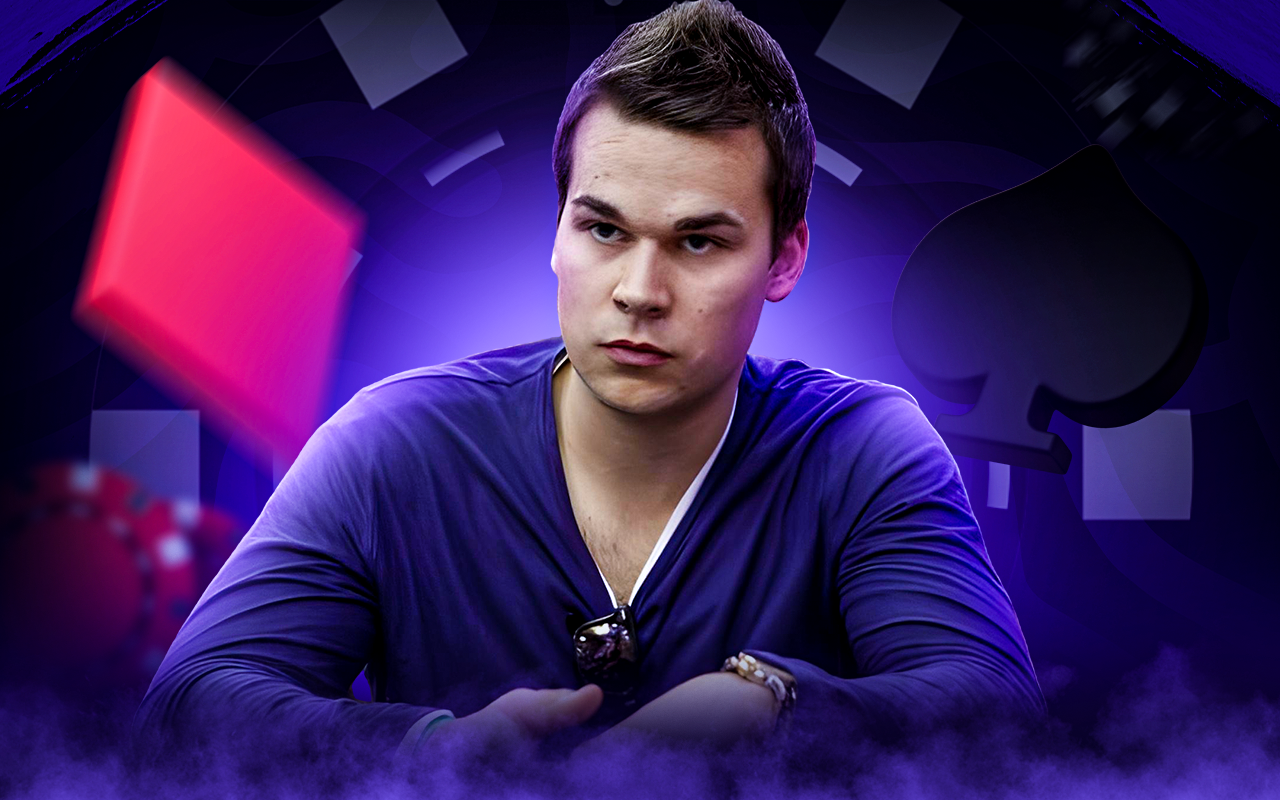
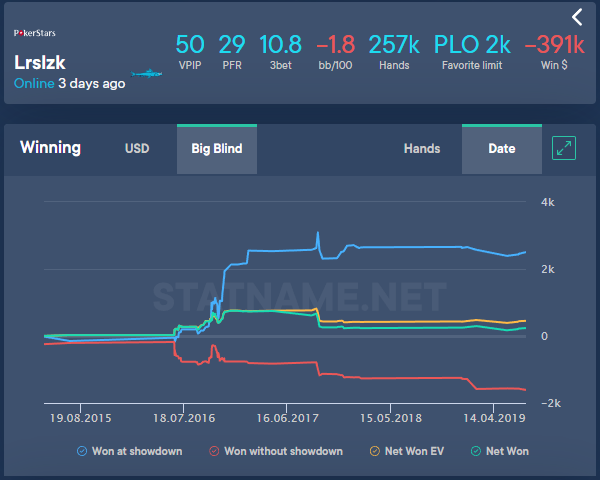
Sami ‘Lrslzk’ Kelopuro is a Finnish professional poker player who has gained worldwide fame for his success in online poker. Kelopuro, also known by his old nickname ‘LarsLuzak’, is one of the most respected and experienced high limit players.

The beginning of a career

Kelopuro began his poker career in the early 2000s. Like many professional players, he started out at low limits, but his meteoric rise began when he got involved in high stakes games. From the very beginning of his career, Sami proved himself to be an incredibly aggressive player, which allowed him to quickly accumulate large winnings and climb up the limits.

Rises in online poker

Kelopuro became well known in the poker community under the nickname ‘LarsLuzak’ and later as ‘Lrslzk’. He regularly participated in the most expensive games on major poker platforms such as PokerStars and Full Tilt Poker, where his name became synonymous with risk and skill. His ability to analyse his opponents’ play and make unexpected moves has made him one of the most difficult players to predict.

Among his many achievements in online poker are his participation in the World Championship of Online Poker (WCOOP) and Spring Championship of Online Poker (SCOOP) series, where he has repeatedly cashed and won large sums of money. In 2020, he won several high buy-in tournaments that earned him millions of dollars.

Interesting facts

  1. Unique Play Style: Sami Kelopuro is known for his aggressive style of play in both cash games and tournaments. His ability to analyse his opponents and take unexpected risks has made him one of the most unpredictable players at high limits.
  2. International recognition: In addition to playing on major online platforms such as PokerStars and Full Tilt Poker, Kelopuro has become successful in live tournaments. For example, he finished in 5th place in the 2021 Super High Roller Bowl Europe where he won $1.1 million.
  3. Participation in prestigious series: Kelopuro is a multiple WCOOP and SCOOP champion. In 2020 alone, he won in several tournaments, earning millions of dollars and confirming his status as one of the top online players.
  4. Cash Game Success: Sami is not only known for his tournament achievements, but also for his success in high limit cash games. His sessions against such legendary players as Tom Dwan and Patrik Antonius have gone down in history as some of the most intense in the world of poker.
  5. Life Outside Poker: In addition to poker, Sami is a keen sportsman, which helps him stay disciplined and focused during long poker sessions.

Big wins

Among Kelopuro’s most notable successes is his victory in the $25,000 High Roller at PokerStars, where he earned over $500,000. He has also enjoyed considerable success in live tournaments, including final tables at the European Poker Tour (EPT) and other major series. Over the course of his career, Sami has earned millions of dollars, making him one of Finland’s most successful poker players.

Current activities

Sami ‘Lrslzk’ Kelopuro continues to be an active player in major poker tournaments and cash games, both online and in live events. He continues to be one of the most respected and consistent players in the high limit scene. Kelopuro also shares his experience with other players, acting as a coach and analyst, which confirms his commitment to developing and supporting the poker community.

Kelopuro remains a key figure in the world of online poker, whose career inspires young and experienced players alike.

Subscribe to our Telegram channel to learn more about poker legends!

Other

Motivation is one of the key ingredients for success in poker. It’s that inner fire that keeps you determined to go after your goals despite the challenges. Chapter 7 of Jared Tendler’s book ‘Mind Games’ focuses on the importance of motivation for poker players and how to keep it high despite long periods of decline or frustration.

What is motivation in poker? 💡

Motivation is not just the desire to win. It is a deep-seated desire to progress despite losses and tough decisions. Many players face moments when it seems that there is no progress, when a series of failures crushes morale and motivation weakens. It is at times like these that it is important to have a strategy to maintain and strengthen it.

In the book, Tendler emphasises that motivation is not a permanent state. It requires effort to maintain, especially in situations where external circumstances are unfavourable. It is important to realise that motivation is a tool that needs to be trained, just like other mental aspects of poker.

Types of motivation 🎯

  1. External motivation is incentives that come from the outside. It can be money, prestige, recognition, successes of other players. While external motivation can be an effective source of energy, it is not always sustainable. Money can be a motivator over short distances, but over long distances it is not enough to keep the fight going.
  2. Intrinsic motivation is a stronger and more sustainable source of energy. It is related to your personal values, your desire for self-improvement and your willingness to overcome your own barriers. Intrinsic motivation allows the player to enjoy the process of playing and develop, even if the results are not always positive.

How do you find your motivation? 🔍

Jared Tendler offers a series of questions to help every player understand what motivates them at the poker table. These questions can help you realise your motivation and strengthen it:

  • Why do you play poker? Is it a hobby, a job or a path to personal growth?
  • What brings you the most enjoyment from the game?
  • How do you perceive victories and defeats?
  • Which outcome of the game is really important to you – money, prestige, or skill improvement?

Answering these questions will help you recognise your true motivational sources and build a strategy to maintain them based on this.

Obstacles to motivation 🚧

Loss of motivation in poker can be attributed to several factors:

  1. Unrealistic expectations. Many players expect quick results, but success in poker takes time and patience.
  2. Comparing yourself to others. It is easy to lose confidence and motivation when comparing yourself to successful players. Every player follows his own path, and your progress should not be measured by the success of others.
  3. Burnout. Playing too intensely without rest can lead to emotional and physical exhaustion. Players must find a balance between playing and resting to maintain a high level of energy.

How do you keep motivated in poker? 🔥

  1. Develop intrinsic motivation. Find pleasure in the process of playing, not just in the results. Learn new strategies, analyse your mistakes, develop as a player.
  2. Set realistic goals. Your goals should be achievable and specific. Instead of the abstract ‘I want to win more’, set specific goals such as ‘improve my understanding of the flop’ or ‘work on my tilt’.
  3. Regular rest and recovery. Energy is not infinite and you need to recover regularly to stay motivated. Take breaks, exercise, spend time with friends or family.
  4. Learn from your failures. Failure is not a reason to lose motivation. On the contrary, it is an opportunity for growth. Analyse your mistakes, draw conclusions and apply the lessons learned in the future.

Practical task 🎯

  1. Take 5 minutes to answer the question: what is your main source of motivation in poker? Share your thoughts in your personal diary and evaluate how you can develop this source in your game

Conclusion: the path to success through motivation 🚀

Motivation is what keeps a player going despite obstacles. It can fluctuate, but with the right approach you can keep it high and use it as a key tool for poker success.

Don’t forget to subscribe to our Telegram channel so you don’t miss the next articles in the ‘Mind Games’ series

Other

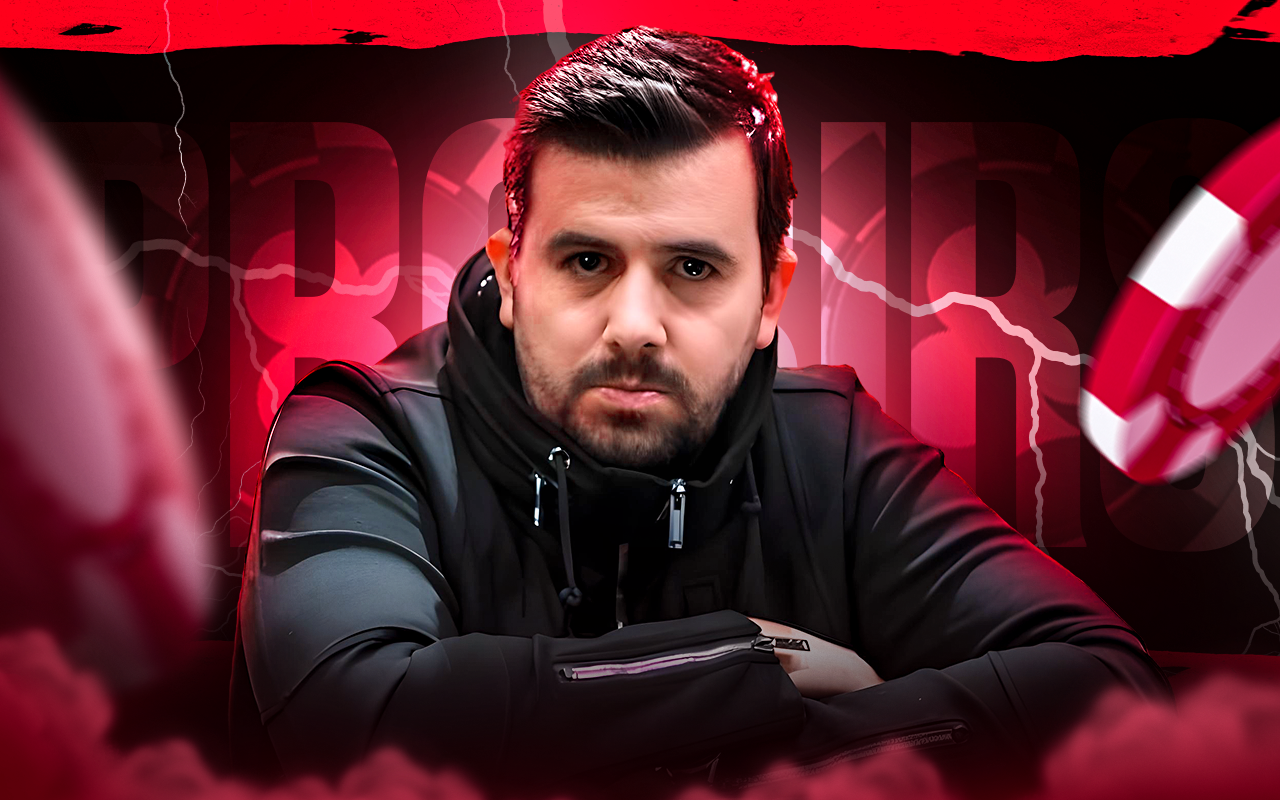
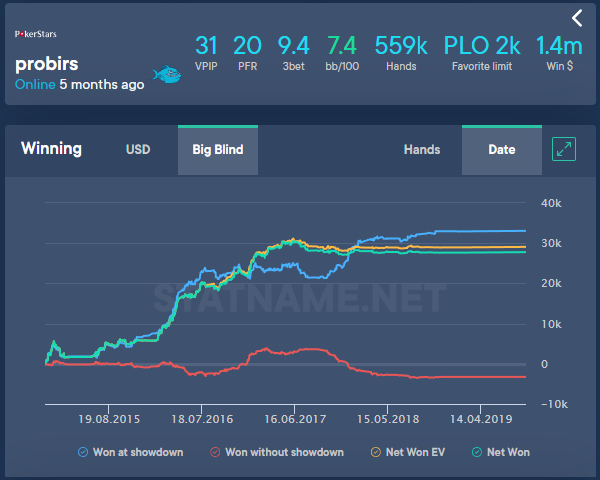
Andras ‘probirs’ Nemeth is a Hungarian professional poker player who has become one of the brightest stars of online poker in recent years. His style of play, analytical approach and ability to successfully compete in the toughest tournaments have made him one of the best players of his generation.

The beginning of a career

Nemeth started his poker career in the early 2000s, playing mainly online. He initially focused on cash games, but gradually moved on to tournaments where he was able to reach his full potential. His career skyrocketed after several significant successes in major online tournaments, which caught the attention of the poker community.

Rises in online poker

Under the nickname ‘probirs’ Andras has quickly become known as one of the most dangerous players in the high rollers. He is a regular on major poker platforms such as PokerStars, partypoker and GGNetwork. His ability to analyse the game and quickly adapt to new conditions has made him one of the most consistent and successful high limit players.

Big wins

One of Nemeth’s most impressive achievements was his success in the High Roller Club series on partypoker, where he won several tournaments with buy-ins ranging from $10,000 to $25,000, earning hundreds of thousands of dollars. In 2020, he took first place in the $10,300 High Roller on PokerStars for $576,087, one of the biggest wins of his career.

In addition, Nemeth holds multiple World Championship of Online Poker (WCOOP) and Spring Championship of Online Poker (SCOOP) titles, confirming his status as one of the top players in online poker.

Interesting facts

  1. A love of chess and an analytical mindset
    Andras has had a passion for chess since childhood, and it was this hobby that helped him develop the analytical thinking that has become important in his poker career. He often says that his ability to strategically plan and anticipate his opponents’ moves is the result of years of training at the chessboard.
  2. Innovative approach to the game
    Nemeth is known for his creative approach to poker and his search for new strategies. Rather than sticking to established patterns of play, he experiments and introduces new tactics to stay one step ahead of his opponents.
  3. Best High Roller Player Award
    In 2021, Andras was unofficially honoured as one of the most successful high roller players in the world, demonstrating incredible stability and performance. He has earned this title thanks to his strong results in numerous big buy-in tournaments.
  4. The philosophy of ‘self-learning and self-reflection’
    Nemeth often states that the basis of his success is constant self-education and in-depth analysis of his own mistakes. He regularly reviews his sessions and tries to identify weaknesses in order to correct them.
  5. Impact on the younger generation of poker players
    Andras is actively involved in teaching aspiring players, focusing on the strategic and mathematical aspects of poker. Many young players view him as a mentor and inspiration, and his name has become synonymous with excellence and success in the world of online poker.

These facts highlight not only Nemeth’s professionalism, but also his contributions to the poker community and his unique approach to the game.

Current activities

Andras ‘probirs’ Nemeth continues to actively participate in the most prestigious tournaments, both online and in live series. He remains one of the most respected and consistent players on the high roller scene, making his name synonymous with excellence and success in the poker community. Nemeth is also dedicated to teaching and sharing his knowledge with other players, which helps him stay on top in a highly competitive environment.

His story is an inspiring example of how perseverance, an analytical approach and passion for the game can lead to outstanding achievements in the world of professional poker.

Want to keep up to date with all the news about the best poker players? Subscribe to our Telegram channel now!

Other

Fear is one of the most destructive emotions poker players face. It can paralyse us, make us make bad decisions and interfere with play on all levels. In poker, fear can manifest itself in many different ways, from fear of losing money to fear of making a mistake or being ridiculed for doing the wrong thing. Jared Tendler in his book ‘Mind Games’ offers a deep insight into the nature of fear and how to overcome it.

Types of fear in poker 👇

When we talk about fear in the context of poker, we can identify a few key manifestations of it:

  1. Fear of losing money 💸This is the most obvious and common fear. It is especially strong in players who play at limits higher than usual or who invest significant amounts of money. This fear can cause the player to freeze up and stop making aggressive moves, even when necessary.
  2. Fear of making a mistake ❌It is important to remember that poker is a game of incomplete information and mistakes are inevitable. However, the fear of making a mistake can cause a player to avoid difficult decisions and look for ‘safe’ ways, which can ultimately lead to a loss.
  3. Fear of judgement from other players 🗣️This is a social fear related to the fear that others will laugh at or judge your move. It can be particularly strong in live tournaments or when you are playing with more experienced players.
  4. Fear of success 🎉It may seem counterintuitive at first glance, but fear of success exists too. It can manifest itself when a player wins tournaments and suddenly realises that as the winnings increase, so does the responsibility.

How does fear affect your game? 🤯

Fear prevents you from making the right decisions, and instead of acting rationally, you follow your emotional impulses. This can lead to passive play, overly cautious decisions or, on the contrary, rash and impulsive bets. It can also affect your perception of your opponents: you begin to overestimate their abilities and underestimate yours.

Strategies for dealing with fear 🎯

Jared Tendler offers some effective ways to combat this negative state:

  1. Recognise your fearThe first step to conquering fear is to acknowledge that it exists. Ignoring or suppressing this feeling only reinforces it. Instead, try to objectively assess what it is that causes your fear and how it affects your game.
  2. Replace fear with rational thoughtsOnce you have recognised the fear, try to replace it with rational arguments. For example, if you are afraid of losing money, remind yourself that poker is a long-term game and it is important to think in terms of the entire session or tournament, not just one hand.
  3. Regular psychology workLike any habit, overcoming fear requires regular practice. Reflect on your fears, write them down and work with them until they lose their power.
  4. Visualising Success 🧠Visualise yourself successfully dealing with difficult situations at the poker table. Visualisation helps to reduce fear and build confidence.
  5. Don’t be afraid to make mistakesMistakes are an inevitable part of the game. It’s important not so much to avoid them, but to learn from them. If you are afraid to make mistakes, it will slow down your development as a player.

Practical task 🎯

The next time you feel fear during a game, do the following:

  1. Stop for a moment and assess exactly what it is that you are afraid of.
  2. Write down your thoughts on paper or in your phone’s notes.
  3. Formulate one rational argument to deal with this fear and apply it to the game.

Conclusion

Fear is a normal phenomenon for every player. But if it is not controlled, it can ruin your strategy and limit your potential. The key to overcoming fear is to recognise it and develop strategies to overcome it. The more you work on your psychology, the less fear will affect your game.

Want more useful articles on poker psychology? Subscribe to our Telegram channel so you don’t miss the next issues!

Other

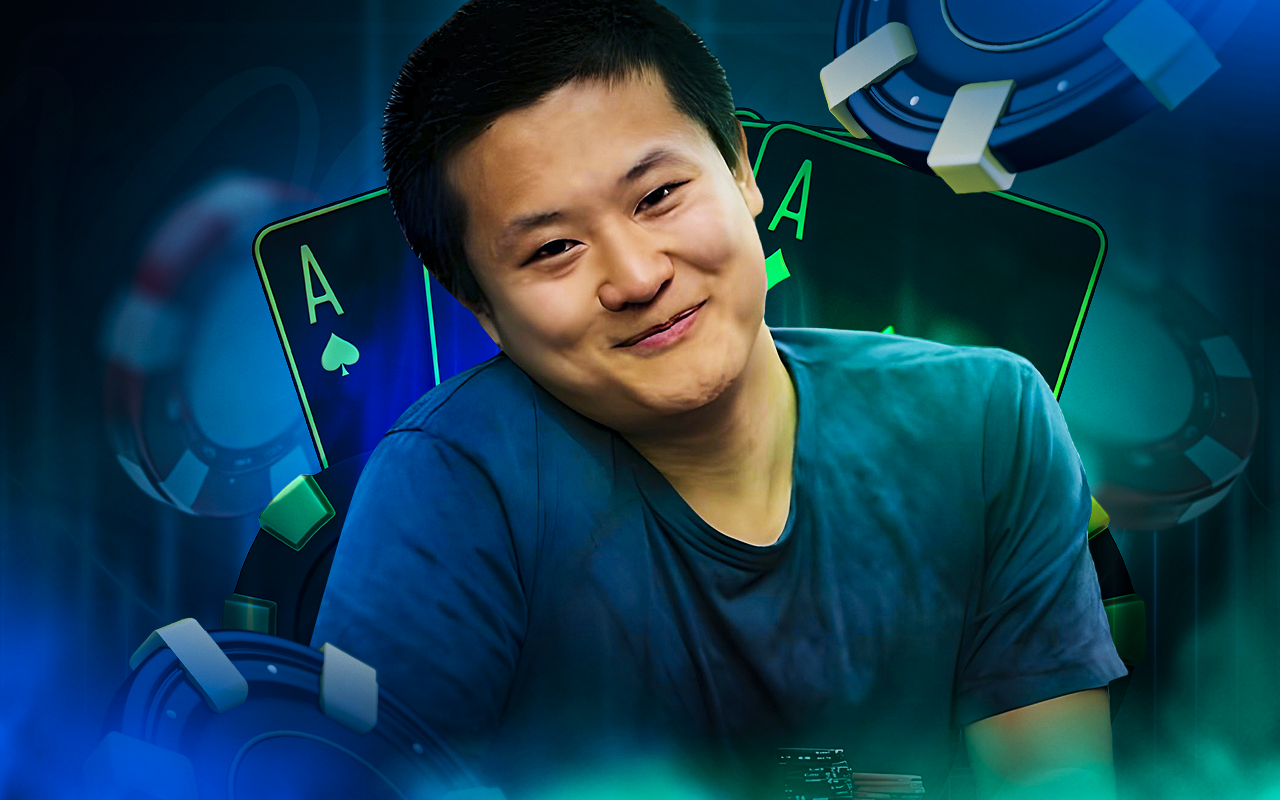
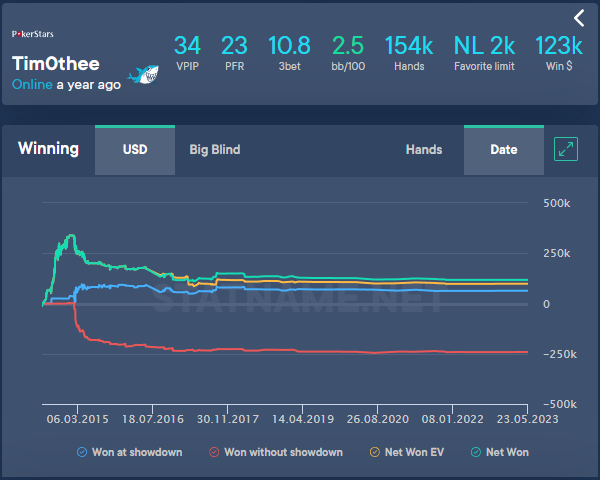
Timothy Adams, known in the poker community as ‘Tim0thee’, is one of the most successful professional players of the last decade. Born in Canada, Adams began his poker career in the early 2000s, quickly becoming recognised for his disciplined play and ability to adapt to different poker formats.

The beginning of a career

Timothy started playing poker during his college days. He initially played in live tournaments, but soon switched to online play, where his career skyrocketed. Adams quickly became known in poker circles for his success in medium and high limit tournaments, especially no-limit hold’em.

Rises in online poker

The nickname ‘Tim0thee’ has come to symbolise stability and excellence in online poker. Adams has enjoyed success on major platforms such as PokerStars and Partypoker, where he has regularly achieved high scores in big buy-in tournaments. Timothy has particularly excelled in the high rollers, where his aggressive but balanced style of play has earned him regular wins.

Big wins

One of the biggest moments in his career came in 2020 when Adams won over $3.6 million at the Super High Roller Bowl in Sochi, one of the biggest wins of his career. He also has numerous wins at the World Series of Poker (WSOP) and European Poker Tour (EPT), where he has cashed multiple times.

Interesting facts about Timothy ‘Tim0thee’ Adams:

  1. International successes: Timothy Adams has not only enjoyed tournament success in North America, but has also won regularly on the international stage. His major wins include prestigious tournaments in countries such as Sochi, Barcelona and London.
  2. Strong position in the high rollers: Adams is a regular entrant and winner in high buy-in tournaments, including the Super High Roller Bowl, where he has reached the final stages on numerous occasions. His winnings in these tournaments exceed several million dollars.
  3. WSOP Wins: Adams has not only achieved cashes at the World Series of Poker (WSOP), but is also a gold bracelet winner, making him a true veteran in the poker community.
  4. Frequent EPT finalist: Timothy Adams is considered a key figure on the European Poker Tour (EPT). His multiple finishes in these prestigious tournaments attest to his skill and consistency at the highest levels.
  5. Philanthropy and Investment: In addition to poker, Adams is actively involved in charity work and donates a portion of his winnings to social causes. He is also involved in investments, especially in technology start-ups, which shows his desire for success outside of poker.
  6. Young Player Advisor: Timothy regularly runs training sessions and masterclasses for aspiring players, helping them to develop their skills and avoid common mistakes that can stunt their poker career growth.
  7. Cold and Calculating Style: Adams is known for his calm and cool style of play at the table, which makes him a dangerous opponent. He is adept at controlling his emotions and adapting easily to different situations at the poker table.

These facts highlight not only his professional achievements, but also his impact on the poker community as a whole.

https://www.youtube.com/embed/A-mCckKJXJE?t=729s

Current activities

Timothy Adams continues to actively participate in major live and online tournaments. In recent years, he has maintained his status as one of the best high rollers in the world, regularly winning cashes at the most prestigious poker series. Adams also invests in various charitable projects and uses his knowledge and experience to support young players and the development of the poker community.

His career path demonstrates that discipline, an analytical approach and the ability to adapt to changes in the game are key to success in poker. Timothy Adams remains one of the most respected and influential professionals in the poker world.

Subscribe to our Telegram channel so you don’t miss biographies of other poker greats.

Other

Tilt is one of the most famous psychological traps that poker players face. It is a condition in which emotions override reason, leading to hasty decisions and a deterioration in the quality of play. To be successful in poker, it is crucial to be able to recognise the signs of tilt and deal with it effectively. In this article we will delve into the depths of tilt and learn how to deal with it using Jared Tendler’s methods from his book ‘Mind Games’.

What is a tilt? 🤯

Tilt occurs when you lose control of your emotions in response to negative situations at the poker table. It manifests itself through anger, frustration or even despair. Any player can fall into this trap, regardless of skill level. The main problem with tilt is that you start making decisions based on emotion rather than logic.

Tendler divides tilt into several types:

  • Classic tilt: anger at losing a hand, especially when you’ve been ‘run over’.
  • Tilt of injustice: the feeling that the game is ‘unfair’ to you.
  • Winning tilt: overconfidence after a win that leads to reckless play.

Why is tilt dangerous for you? ⚠️

When you tilt, you stop seeing the game objectively. You may underestimate the strength of your opponents’ hands or overestimate your chances of success. In moments of tilt, many players start to play more aggressively or, on the contrary, too cautiously, which reduces their chances of success.

Example: Imagine you get run over by a phish on the river with pocket twos against your nat flush. You get pissed off, and on the next hand you go all-in with a questionable hand in an attempt to get a quick win. This is a classic example of how emotions can make your game worse.

Causes of tilt 💥

Tilt is the result of accumulated emotions and wrong attitudes. Here are some common causes:

  • Expectation of constant wins: If you believe that you must always win against weaker players, every failure will throw you off balance.
  • Illusion of Control: Many players tend to overestimate their control over the outcome of a game, forgetting the role of chance and variance.
  • Injustice: When you feel like the game is constantly going against you, it causes anger and a desire to ‘prove yourself’.

How to handle tilt? 🛠

To defeat tilt, you need to gain a deeper understanding of its causes and use practical strategies to combat it. Tendler suggests several important steps:

  1. Identify the source of the tilt: Write down the moments when you lose control. This will allow you to recognise whether it is moves, losses from chips, or just a bad session that is causing the tilt.
  2. Reconsider your expectations: Expectations that you should always win create emotional pressure. Accept the fact that variance is part of the game and even the best players can lose.
  3. Develop a reaction plan: In moments of tilt, you need to switch to a premeditated strategy. For example, if you start to get angry, take deep breaths immediately or take a short break.
  4. Practice Emotional Control: Like any skill, controlling your emotions takes practice. The more often you become aware of your emotions in real time and work on controlling them, the faster you can beat tilt.

Practical task to fight against tilt 🧠

  1. Write down the last 3 situations when you experienced tilt at the poker table. What exactly happened? What emotions did you feel?
  2. Analyse each situation: Why did you fall into a tilt? Was it due to expectations, an overestimation of control, or a feeling of unfairness?
  3. Create an action plan: How can you change your reaction in the future? How will you manage your emotions if it happens again?

Conclusion 📉

Tilt is a problem that every poker player faces, but it can be controlled. Using Jared Tendler’s strategies, you can not only deal with tilt, but turn it into your strength. Continue to develop emotional resilience and your poker results are sure to improve.

Subscribe to our Telegram channel so you don’t miss the next articles about poker psychology and effective self improvement techniques.

Other

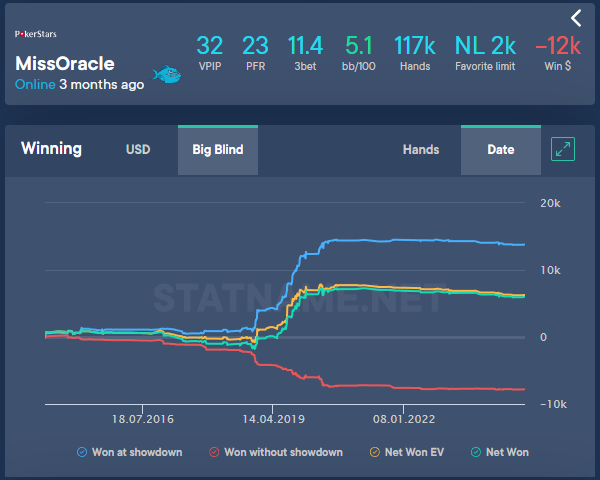
David ‘MissOracle’ Yan is a New Zealand professional poker player who has achieved outstanding success in both online and live tournaments. Yan is one of the brightest of the new wave of poker players with outstanding analytical skills and flair for the game.

The beginning of a career

David Yan started playing poker at an early age when he was still a student. He became interested in poker after learning the mathematical aspects of the game, which soon developed into a serious hobby. His journey into professional poker began with online tournaments, where he quickly established himself as one of the most promising young players.

Rises in online poker

Under the nickname ‘MissOracle’, Yan has become known in the poker community for his impressive success in major online series such as the World Championship of Online Poker (WCOOP) and the Spring Championship of Online Poker (SCOOP). His ability to adapt to different formats and effective bankroll management has helped him achieve significant success.

In 2016, Yan took first place in a $10,300 High Roller event on PokerStars, earning a big payday and further cementing his reputation as one of the best online players in the world. His success in the high rollers has come to symbolise his analytical approach to the game and his willingness to take risks.

Big wins

David Yan boasts numerous live tournament wins, including a 2014 victory at the Asia Pacific Poker Tour (APPT) in Australia where he earned over $260,000. He has also enjoyed live tournament success at the European Poker Tour (EPT) and other prestigious series.

He became known for his high scores in big buy-in tournaments, where his aggressive style of play and ability to make quick decisions brought him significant winnings.

Interesting facts about David ‘MissOracle’ Yan:

  1. Chess background: Before his passion for poker, David Yan was an accomplished chess player and participated in national chess tournaments in New Zealand. This experience developed his strategic thinking and analytical calculation ability.
  2. Maths background: David graduated from the University of Auckland with a degree in Mathematics and Statistics, which has enhanced his approach to poker. He uses complex mathematical models to analyse hands and make decisions at the table.
  3. Influence of friends: Early in his career, David was inspired by friends who played poker professionally. Their successes motivated him to actively develop in the game.
  4. Hobby – programming: Apart from poker, Yan is a keen programmer and has even developed software to simulate poker situations.
  5. Love of table games: David actively participates in tournaments on various table games and believes that they help to develop the ability to read opponents and improve his poker decision-making skills.

These facts complete the image of David Yan as a versatile and intelligent player for whom poker is not just a game of chance, but a mathematically sound strategy.

Current activities

David ‘MissOracle’ Yan continues to actively participate in major poker tournaments, both online and live. He is also involved in analysing and teaching other players, sharing his experience and knowledge. His commitment to excellence and dedication to a mathematical approach make him one of the most respected players in the poker community.

Yan remains one of the key figures in modern poker and his story is an example of how intelligence, analytical ability and passion for the game can lead to huge success on the world poker stage.

Subscribe to our Telegram channel not to miss exciting stories of the most successful poker players!

Other

In poker, emotional outbursts and psychological problems can be a major obstacle to success. Once emotions take over, your play becomes ineffective and mistakes start to affect your bankroll. In this article, we’ll break down five key steps that will help you identify and correct your psychological licks, just as you work on the technical aspects of your game by analysing your hand histories.

📉 Superficial solutions don’t work

Most of the methods aimed at eliminating psychological problems consist of trying to fix the situation quickly, but they do not address the root cause. Instead, players are offered superficial approaches that temporarily reduce tension but do not remove the problem.

Example:

  • Problem: ‘I start to tilt when I get run over by a weaker player.’
  • The solution, ‘Just don’t tilt,’ is wrong because it doesn’t address the very cause of tilt.

🛠 Hand-history of mind games: a five-step protocol for analysing the problem

To work on psychological problems, I suggest using a five-step protocol that is similar to analysing hand histories in poker. Each of these steps will help you understand where the problem comes from, why the logic behind it is flawed, and how you can find the right solution.

1. Describe the problem

Write down your description of the problem as if you were telling it to the coach. The more detailed your description, the easier it will be to find a solution.

Example:

  • ‘I tilt when I get run over by a fish in a big pot’.’
  • ‘After a winning streak, I start playing too loosely.’

2. Find a logical explanation

Every psychological problem has a logical basis, even if it seems to be entirely emotional. For example, if you start to tilt, it may be because you believe that you should always win against weaker players.

Example:

  • Tilt from moving a weak player may be due to an over-expectation of beating him.
  • Loose play after a winning streak can be caused by an overabundance of confidence.

3. Analyse why your logic is flawed

This step requires precision. A logical error may be that you overestimate the control over the outcome of the game by underestimating the impact of variance.

Example:

  • Mistake: ‘I always have to win against weaker players.’
  • Right View: No one can control all aspects of the game, especially the randomness of card distribution.

4. Find the right solution

Now it is important to move on to the solution to the problem. Correction example: ‘I can’t control the cards, but I can control my actions and reactions.

Example:

  • ‘I’m going to focus on the quality of my decisions rather than the outcome of individual giveaways.’
  • ‘Playing too much on the plus side is a loss of control and I have to stay disciplined.’

5. Explain why your solution is correct

This step helps to consolidate the new understanding. Explain to yourself why the decision you have chosen is the right one.

Example:

  • ‘I only control my decisions, and moves are a natural part of poker, which is what makes me profitable over the distance.’
  • ‘Playing too loosely because of the euphoria after wins is a mistake that leads to losses.’

🎯 Additional strategies for success

📊 Progress tracking

It is important to record your progress to understand how your game is changing. After all, emotional and psychological improvements can sometimes be barely noticeable. Here are some criteria for tracking your progress:

  • You’re quicker to notice a problem approaching while you’re playing.
  • Your emotional state recovers faster after a tilt.
  • You make fewer emotion-related mistakes.

📓 Record keeping

Recordings are a powerful tool for working on the psychological aspects of the game. They help to systematise thoughts and see the dynamics of progress.

Benefits:

  • You get your thoughts out of your head and put them in order.
  • You create an ‘account’ that you can go back to and analyse the changes.
  • Relieve stress by helping your mind deal with your emotions.

💥 Working with accumulated emotions

Emotions tend to accumulate, and one small setback can trigger an angry outburst if there is a whole chain of past experiences behind it. To cope with accumulated emotions, you need to gradually ‘unload’ them.

Steps:

  1. Recognise that accumulated emotions are a real threat to your game.
  2. Use handhistory to record and sort out problems.
  3. Gradually learn to recognise emotions in the moment.
  4. Analyse past emotional reactions and rewrite them, looking at them from a different angle.

🎯 Practical exercise: Emotions under control

  1. Pick a handout: Where emotion took over. 🎲
  2. Describe: Your feelings and actions. ✍️
  3. Analyse: Why did it happen? Could it have been played differently? 🤔
  4. Formulate a plan: How to avoid this happening in the future. 💡
  5. Apply: In your next game, replace negative with positive. 🧘‍♂️

Result: Improved control over emotions and play! 🎉

🔑 In conclusion

Psychological issues are an opportunity to grow and improve your game. In modern poker, you can’t just ignore your emotions and hope for consistent results. By working on yourself, you can not only become a more stable player, but also gain a psychological advantage over your opponents.

Subscribe to our Telegram channel to make sure you don’t miss the next content and keep improving your game with every new step!

Other

Dominik ‘Bounatirou’ Nitsche is a German professional poker player who has made a name for himself as one of the best high roller players in recent years. Nitsche is known for his outstanding intelligence and ability to dominate the toughest tournaments, both online and live.

The beginning of a career

Dominik Nitsche began his poker career in 2006 when he was just 16 years old. He started playing online and quickly discovered that he had a natural talent for the game. At the beginning of his career, he participated in small tournaments at low limits, but soon moved up to higher levels. In 2009, at the age of 18, Nitsche won his first major live poker tournament, winning the title at the Latin American Poker Tour (LAPT) in Argentina.

Rises in online poker

Under the nickname ‘Bounatirou’, Nitsche has achieved great success in online poker, playing on major poker platforms such as PokerStars and partypoker. One of his most impressive achievements was winning the biggest Venom tournament on ACR Poker, where he earned over $1.8 million, beating legendary players such as Chris Manimaker. This tournament cemented his status as one of the top online players.

His analytical approach to the game, ability to adapt to different situations and incredible discipline has allowed him to consistently place in major online series. In 2020, he won the $10,000 High Roller event on partypoker, earning over $300,000.

Big wins

Dominic has also achieved considerable success in live tournaments. He has four World Series of Poker (WSOP) bracelets to his credit, the first of which he won in 2012 in a $1,000 No-Limit Hold’em event. His biggest winnings to date are over $4,000,000, which he earned for winning the 2017 WSOP High Roller for One Drop with a buy-in of €111,111. Nitsche admitted that winning the One Drop was a surreal experience and an important moment in his career.

Interesting facts

Nitsche is known for the fact that the process of playing is more important to him than winning. He relishes every opportunity to stay at the table and compete. His love for the game and the competitive process has always taken precedence over financial winnings, which makes him special among professionals. Even in high stakes tournaments, he does not succumb to the pressure of big money.

Dominic also actively improves his skills through the use of software and constant work on game situations. He spends hours analysing strategies and preparing for every possible game situation, which marks him out as one of the most disciplined and hardworking players.

https://www.youtube.com/embed/VGDkzKask3M

Current activities

Dominic ‘Bounatirou’ Nitsche continues to be an active participant in major poker tournaments, both online and live. He is also known as a successful poker coach and investor, sharing his knowledge and experience with other players. Nitsche runs his own poker school and regularly publishes educational material to help develop the next generation of professional poker players.

His career is an inspiring example of how talent, hard work and a strategic approach can lead to outstanding success on the world poker stage.

More biographies and secrets from top poker players are waiting for you – subscribe to our Telegram channel so you don’t miss out!

Other